
Acing the College Golf Game: How to Get Coaches Fighting for You
Opening
That trophy shelf in your bedroom? What a great accomplishment. But college coaches are looking beyond the trophies.
Right now, student-athletes with half your talent are getting spots on college rosters because they understand something you might not: the recruitment cycle is its own unique sport. What trips up a lot of young golfers, like around 70% of them, is that they have trouble keeping the lines of communication open.
You're not like everyone else. You're here to learn how to handle the difficulties that cause so many promising careers to fail.
Why You Can’t Afford to Get It Wrong?
Here’s a fact that stings. For every student-athlete that secures their dream university spot, many others don’t even get a response. Not because they didn’t deserve one, but because they didn’t keep the conversation going.
Let's say you're in this situation:

You sent your best plays to five coaches. Maybe you even sent a few smart follow-up emails (nice work if you did!). But then life happened. Schoolwork and practice took over, and you didn't send any updates for two weeks. This means the coach didn't see you were still serious about their team. That spot likely went to someone who stayed in contact.
The bottom line is this: Golf scholarships don't just go to the best golfers. They go to the golfers who are on top of their game off the course too – the ones who are organized and actively show coaches how dedicated they are.
Young athletes typically begin with a lot of enthusiasm and a well-thought-out plan to reach their goals. They’ve often got their best moments recorded, their individual scores, and a record of their successes all ready. However, here’s the thing you need to know.
Everything can fall apart during the follow-up phase. Coaches get bombarded with emails and messages every day. If you’re not keeping up, staying visible, and driving the conversation, you’ll get lost in the shuffle. And when that happens, the only door you were knocking on quietly closes.
It’s tough to hear, but the truth is this: even the best players don’t get discovered by sitting back. Coaches move on easily because they’re sifting through dozens, sometimes hundreds, of applicants. If you want to stand out, you have to follow up like clockwork with precision, persistence, and a plan.
Hoping to do great with this? Well, let's get the ball rolling.
Here Are Seven Bright Ideas to Get Things Back on Track:
You can’t control how busy a coach is, but you can control your game. Here’s how we flip the script and take decisive action.
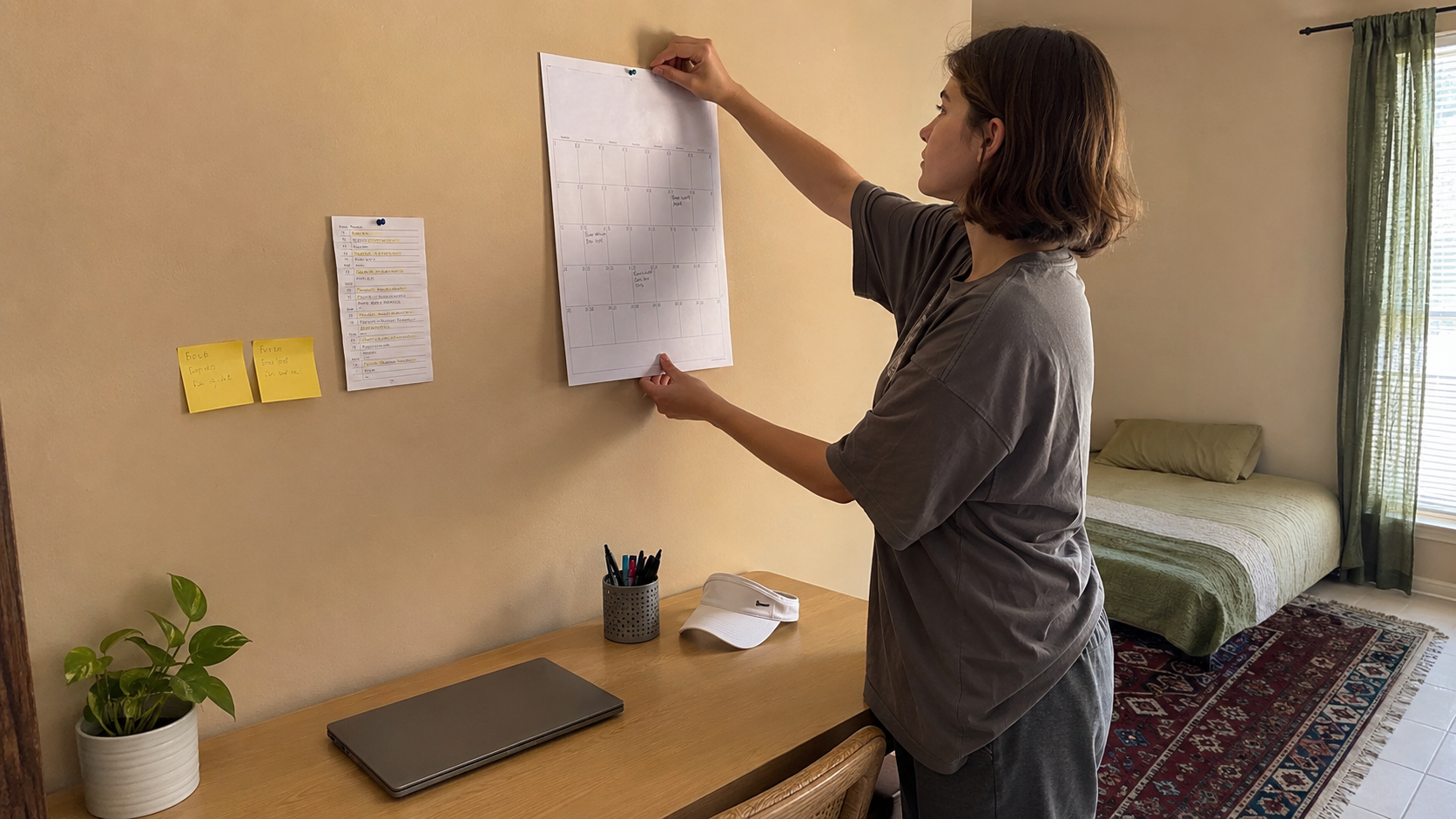
1. Create a System to Track and Schedule Follow-Ups
The easiest way to fail at follow-ups is to leave them to memory. It doesn’t work. You need structure. Use a basic spreadsheet or even specialized tools to track who you’ve contacted, when you messaged them, and what their response was. Schedule follow-ups weekly. Treat it like a pro-athlete’s training schedule you can’t ignore. Send your first email? Great. Haven't heard back in two weeks? Time to follow up. Show coaches you’re serious and consistent.
2.The Time Bomb Called "Deadlines"
Basically, colleges have deadlines for when they need to fill all their open student spots. The college application process doesn't wait around, and if you're not actively working on it, those opportunities will be gone. Just think about missing out on your perfect college because you delayed sending an email. That's a very real risk.
3. Personalize Every Single Email
A big pitfall for athletes is sending the same old email to every coach. They can see right through it! If your email doesn't feel special to them, they'll probably skip it.
It's worth doing some homework on the coach's team and how they operate. Mention something particular that caught your eye, like a recent victory or an impressive player performance. Making your email feel personal helps you connect better.
4. Get Face Time When Possible
If you have a chance to meet face-to-face, take it. Whether it’s at a tournament where the coach is present or an event, introduce yourself confidently. It's tough to ignore someone you've met face-to-face. Being known as a person, not just an email name, changes things completely.
If meeting face-to-face isn't possible, then...? So you just send a short video introducing yourself. It’s an easy way to stand out and put a personality to the name.
5. Keep Your Golf Stats Front and Center
Coaches are busy. They don’t have time to hunt down your stats. Make it easy for them by showcasing your numbers in every communication. If you’ve lowered your handicap, played in notable tournaments, or improved performance, make sure it’s highlighted.
Provide links to your updated player profile and videos so they have proof of your progress.
6. Have Your Best Rounds at Showcase Events
When it comes to golf, stats don’t tell the full story, but performances at big events do. Look for the better sports matches or junior cups where the college coaches looking for players are probably going to be there.
Playing in these games is your chance to show them your skills under pressure and make a strong impression so they remember you later. This is a really big deal. Treat these moments like the most important game you'll ever play. Get ready properly, keep your mind on the task, and try not to worry too much.
7. Keep a Record of All Communication
This is like having all your coach chats in one easy-to-find folder. You save every email and response there, so you're always ready with the information you need. If a coach gives you tips or wants more details, make sure to record it. Being organized means you're prepared, and coaches value players who are prepared.
The Final Note
If you’ve read this far, you have no excuse to keep slacking. The opportunities are there, but you have to go after them. Coaches aren’t going to magically appear at your door. We’ve made this whole process simpler for you and have made a one-page cheat sheet. Stop wondering how to get on university coaches' radar!
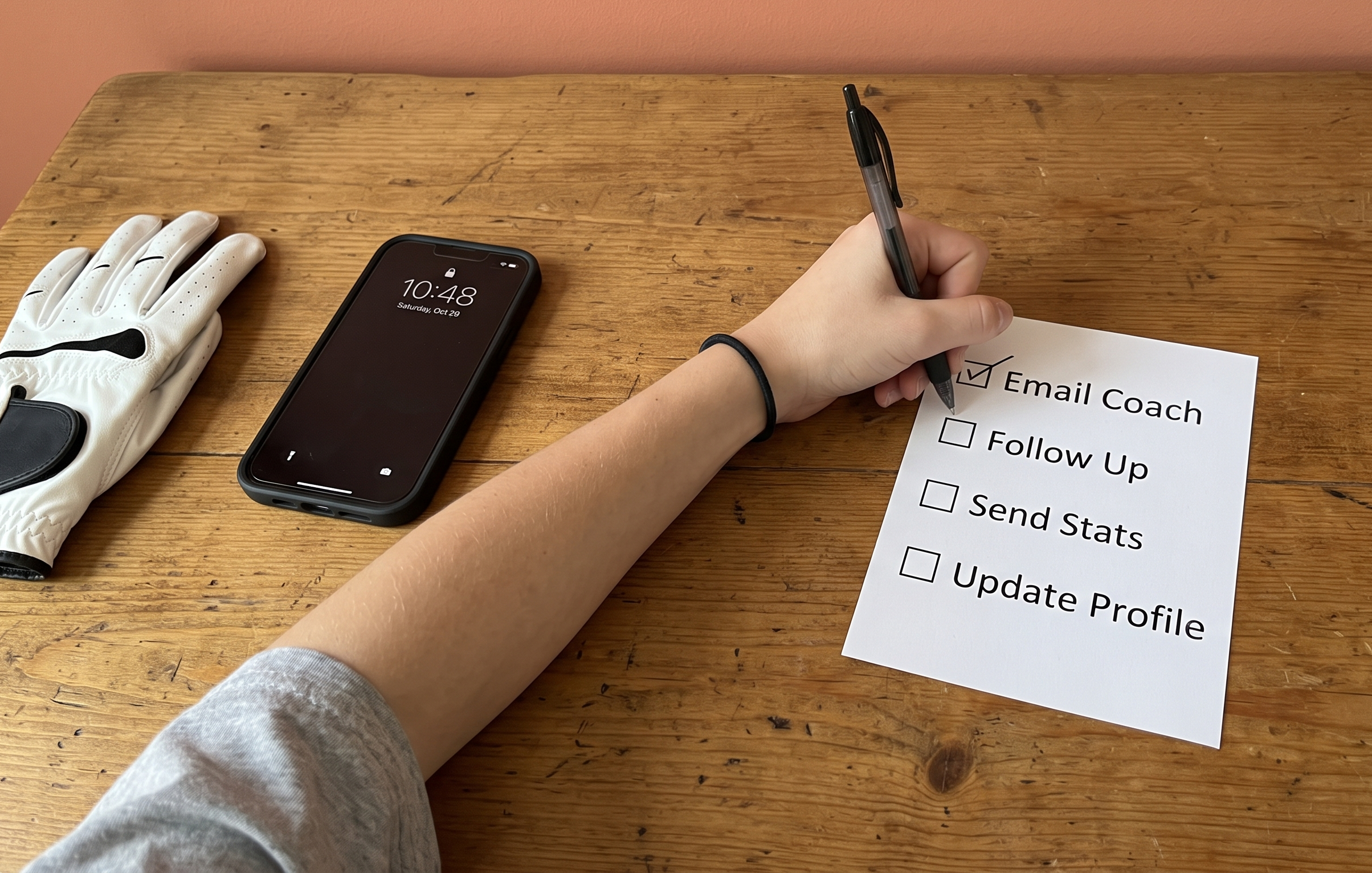
This cheat sheet gives you a simple, step-by-step plan to create personalized messages that will get their attention. No complicated theories or extra baggage just clear actions that lead to real results, often in 90 days or less. Get your hands on this quick guide and start making things happen today!
