How Student-Athletes Are Balancing it All and Winning Big
Being a student-athlete means sacrificing your time, your health, and sometimes even your sanity. It’s like you’re supposed to be a star athlete, but you also have to do all your school assignments, study for exams, and still find time to have a life. And then, bam! You get hit with the stress of those college tests, the SAT and ACT.
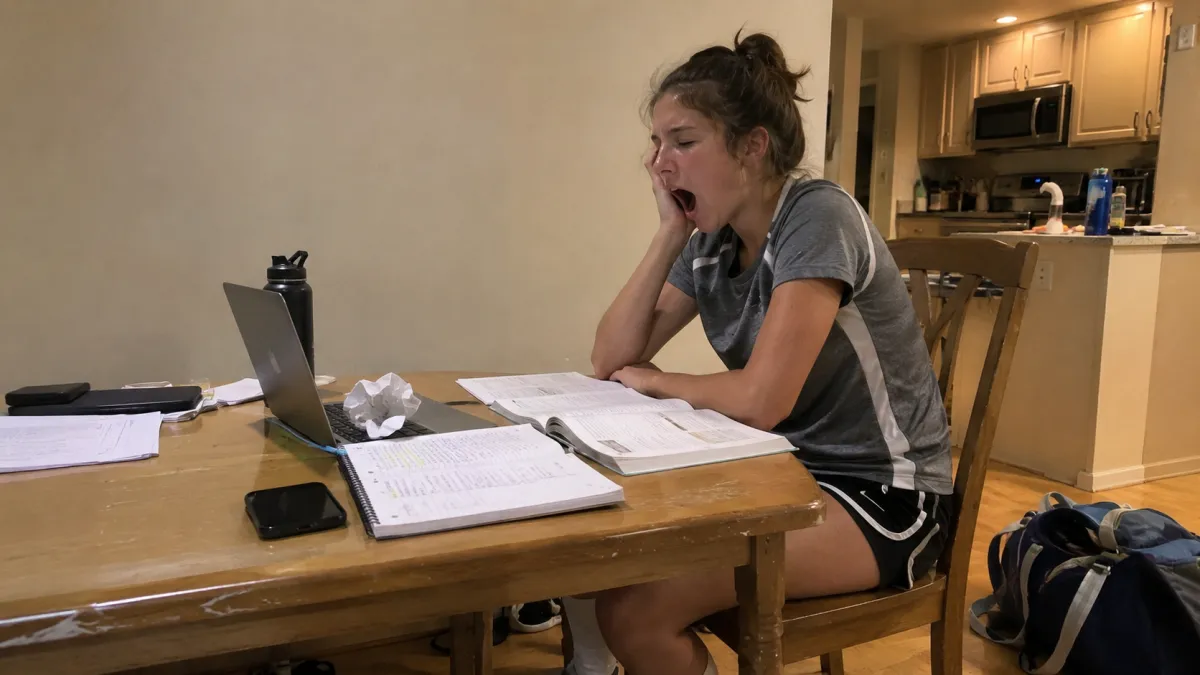
It’s waking up before the sun for practice, sitting through seven hours of school, racing to afternoon workouts, and then coming home to hours of homework. By the time it’s 10 p.m., most are still trying to stay awake long enough to finish a paper, or crash.
Now add the pressure of being great, on the field and in the classroom.
Coaches want 100%. Teachers expect focus. Parents want results. Everyone is watching, and falling behind in any area feels like failure. The body’s tired. The mind’s fried. The stress is real.
One student recently said it best:
“It’s like trying to be perfect in two full-time jobs. And somehow, I still feel like I’m failing both.”
And to parents reading this? We know you feel it too. The guilt, the confusion, the fear of not doing enough. You’re trying to support your child, but the roadmap is unclear.
One wrong turn could mean missing the dream school, the scholarship, the opportunity they’ve worked toward their whole life. It’s time we talk about this. Honestly.
But in this blog, we’ll highlight the common obstacles student-athletes face when preparing for these tests and show you the steps you can take to secure your future and make it to your dream university, no matter how impossible it feels.
The Struggle: How SAT and ACT Exams Add to the Chaos
Standardized testing was supposed to “level the playing field.” Instead, it became another massive weight on student-athletes’ backs.
Let’s break it down:
The SAT and ACT: In January 2023, the NCAA Division 1 and 2 decided that student-athletes do not have to write the SAT or ACT. However, many universities are now test-optional, which means that students can or cannot submit an SAT or ACT score.
University of California (UC schools) are sometimes test-blind, meaning that they do not look at the submitted SAT or ACT scores.
However, each university has its own requirements and is subject to change. Many top 200 universities (US News Rankings) require an ACT or SAT score.
They require a completely different skill set than athletics. And yet, there’s barely any time to prepare properly.
If you are on the elite university track, you’re expected to master math, grammar, critical reading, and pacing, all while juggling athletic commitments that eat up your evenings and weekends.
And don’t forget strength training, tournaments, private coaching sessions, team meetings, and recovery (assuming you’re lucky enough to sleep).
Here’s how it plays out in real life:
Sarah, a junior tennis player ranked in the top 10 in her state, skipped SAT prep courses three times because of tournaments. She told herself, “I’ll start next month.” But “next month” became six months, and now she’s staring down the last test date before an early decision, panicking.
Her scores don’t reflect her potential. She’s frustrated, anxious, and feels like she’s failed.
This is not about laziness. This is about bandwidth.
Bottom line: Coaches and college admissions want a well-rounded person. For some universities, those test scores still matter, even for athletes. Not every school is test-optional. And even when they say they are, a good score can be the thing that gets you the nod.
Then there’s the unspoken guilt:
“If I study for the SAT, am I slacking on my sport?”
“If I go all-in on training, will my scores sabotage my chances?”
Parents watch helplessly. You want to step in, but how? How do you help when you don’t even know if your child should be taking the SAT or ACT or when to start?
Why It Happens: The Lack of Clear Direction for Student-Athletes
Student-athletes aren’t just overwhelmed, they’re under-guided. Most high school counselors are juggling hundreds of students.
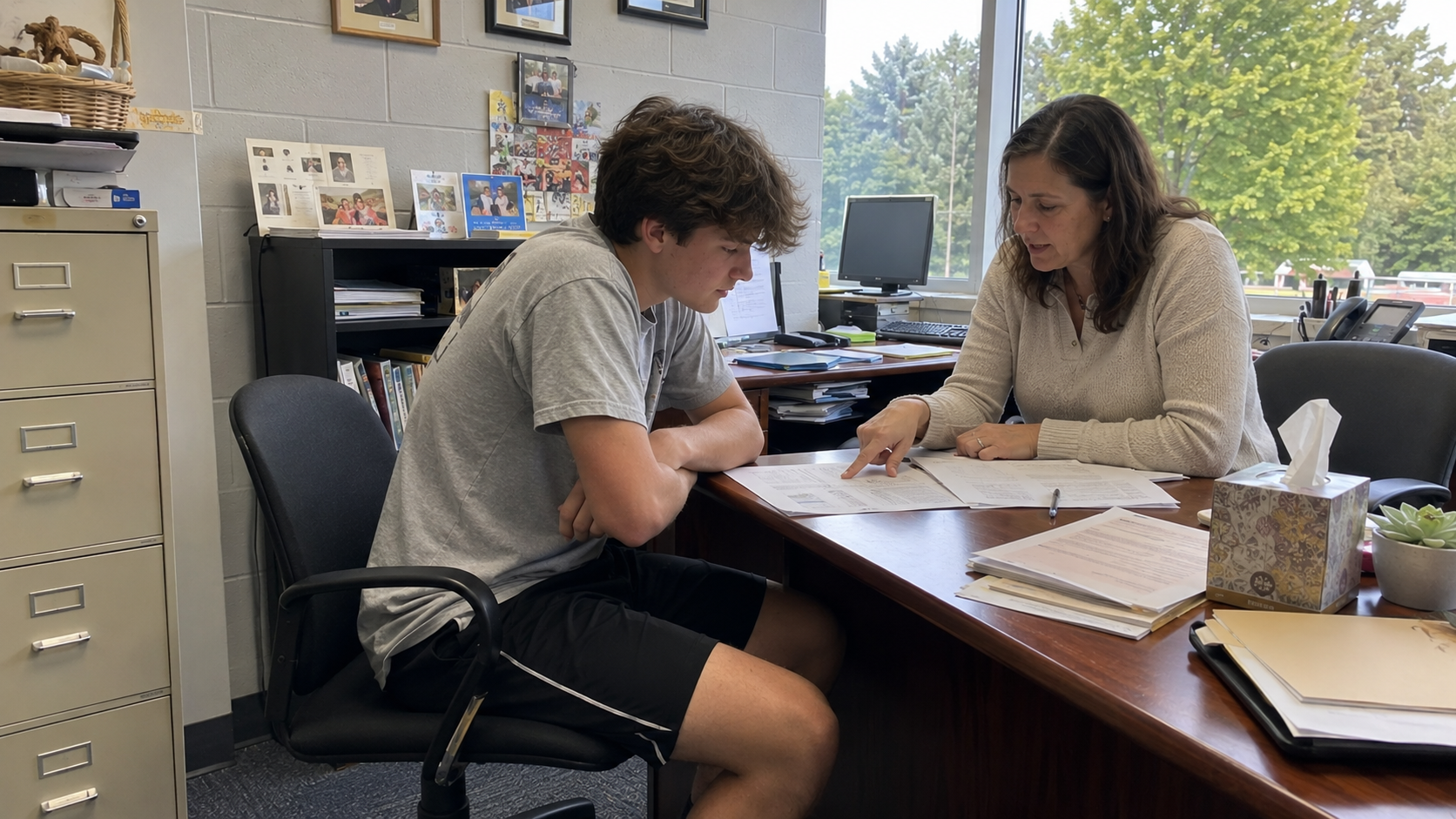
They might know NCAA eligibility rules or help schedule classes, but they rarely specialize in student-athletes or college athletics recruitment timelines.
So what happens?
Test prep starts too late.
Course selections are misaligned with targeted schools.
NCAA requirements get confused with academic admissions requirements.
Students feel like they’re navigating a maze with no map.
And that’s when paralysis sets in. You stop making decisions. You wait. You hope it “works out.” But here’s the thing: hope isn’t a strategy.
We’ve got a real story to share from one of Coach TJ’s students, one that we think is worth talking about here.
Eric’s Journey: 2000 Hours of Focus
Eric grew up in Shenzhen, China. He began prepping for the SAT in 8th grade. He took the SAT four times, the ACT twice, and multiple SAT Subject Tests, all by the end of 10th grade. His focus? Chemistry. His goal? Ivy League.
By Grade 11, Eric had a complete academic and testing portfolio. He was recruited by Brown University, and because he had completed 10 different subject tests by 10th grade, the admissions office could make an informed decision.
Later, he completed a Master’s in Finance and Statistics from Columbia University and now works in Shenzhen in high-level finance.
Yes, it worked, but it came at a cost. Over 2,000 hours of test prep in three years. That’s equivalent to a full-time job. Eric succeeded because he had a plan, early clarity, and intense support. Most student-athletes don’t have that.
They’re chasing multiple finish lines without a coach for their academic race.
The Real Impact: What Happens When They Can’t Handle It All?
When student-athletes try to “do it all” without structure or support, the consequences are devastating.
Let’s talk about what we’ve seen, up close.
Academic Burnout
You want to get good grades. But when your brain is fried from double practices and travel, studying becomes torture. You fall behind. Teachers don’t understand. Your GPA slips, sometimes just enough to take your dream school off the table.
Test Anxiety and Underperformance
You finally carve out time for the ACT, but it’s the same weekend as a major tournament. You go in tired, distracted, and unprepared. You bomb it. You lose confidence. Then you avoid retesting, and the cycle continues.
Injury and Physical Collapse
Lack of sleep, stress, and constant movement? That’s a recipe for injury. I’ve had athletes tear ACLs the week before big showcases. Why? Because they were running on fumes trying to “balance everything.”
Mental Health Cracks
Behind the medals and trophies, we see athletes break down. They cry. They question their worth. They start losing love for the game. They stop believing they’re enough.
Let us tell you something brutally honest: this isn’t just about college. These are foundational years. Burnout now has ripple effects that last years into adulthood.
Without support, student-athletes often don’t just miss out on college dreams, they leave their teenage years carrying shame, anxiety, and regret.
It doesn’t have to be this way.
So, What’s the Actual Answer?
There is a way out of the chaos. But it’s not another YouTube video, random online checklist, or a generic SAT tutor who doesn’t understand the athletic calendar.
What you need is a comprehensive academic-athletic roadmap, designed specifically for your child. And we have built that for families just like yours.
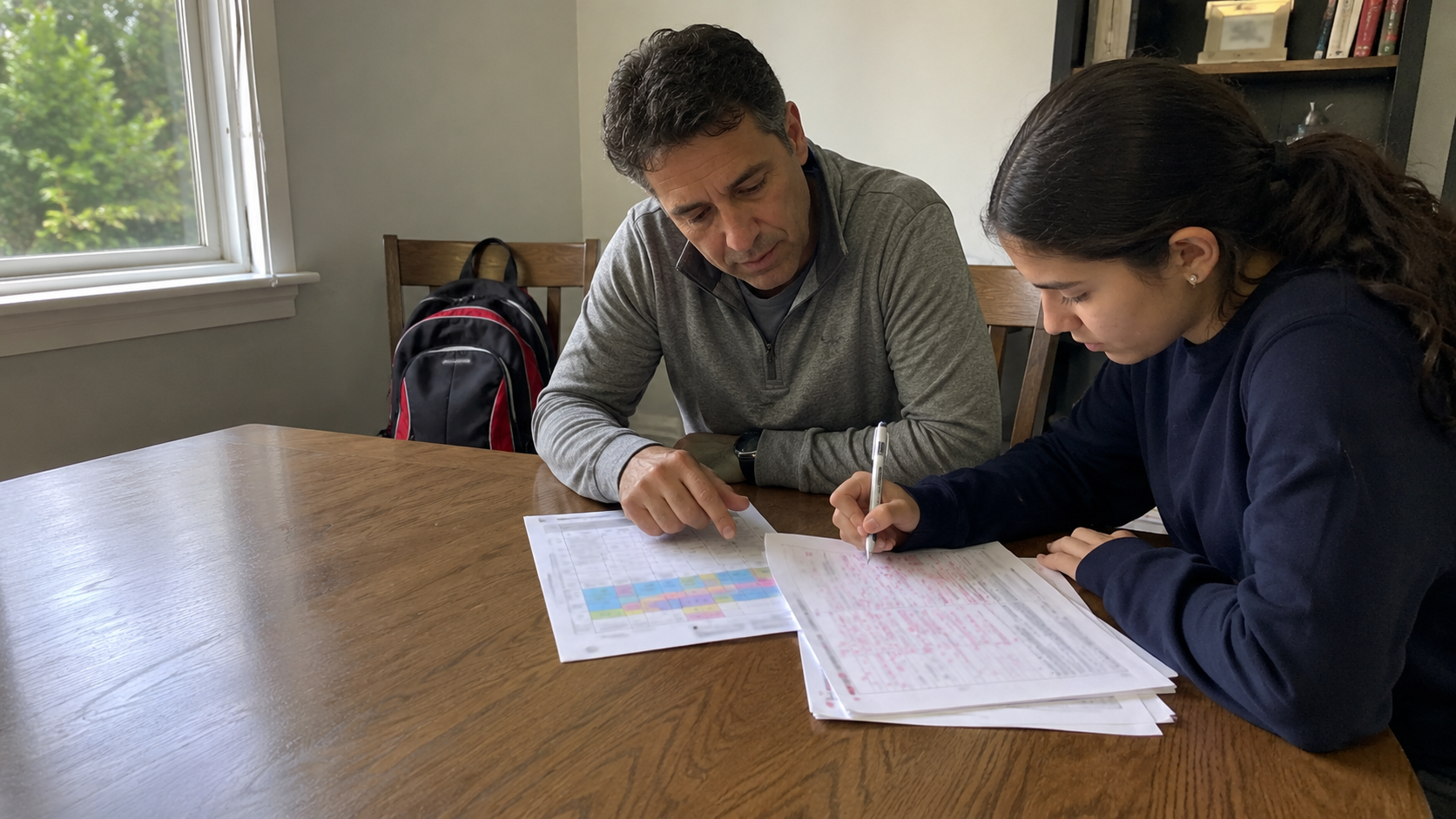
Here’s how we do it:
Step 1: Transcript Evaluation
We go through your student’s transcript line by line. What courses are helping? What courses are hurting? Are they NCAA-eligible? Are they challenging enough for elite colleges? This step prevents course misalignment, one of the biggest silent killers in the admissions process.
Step 2: SAT vs. ACT Analysis
We help your students choose the right test based on their strengths, schedule, and goals. Then we map out realistic test dates based on athletic seasons: no more last-minute panic or missed deadlines.
Step 3: Athletic Calendar Integration
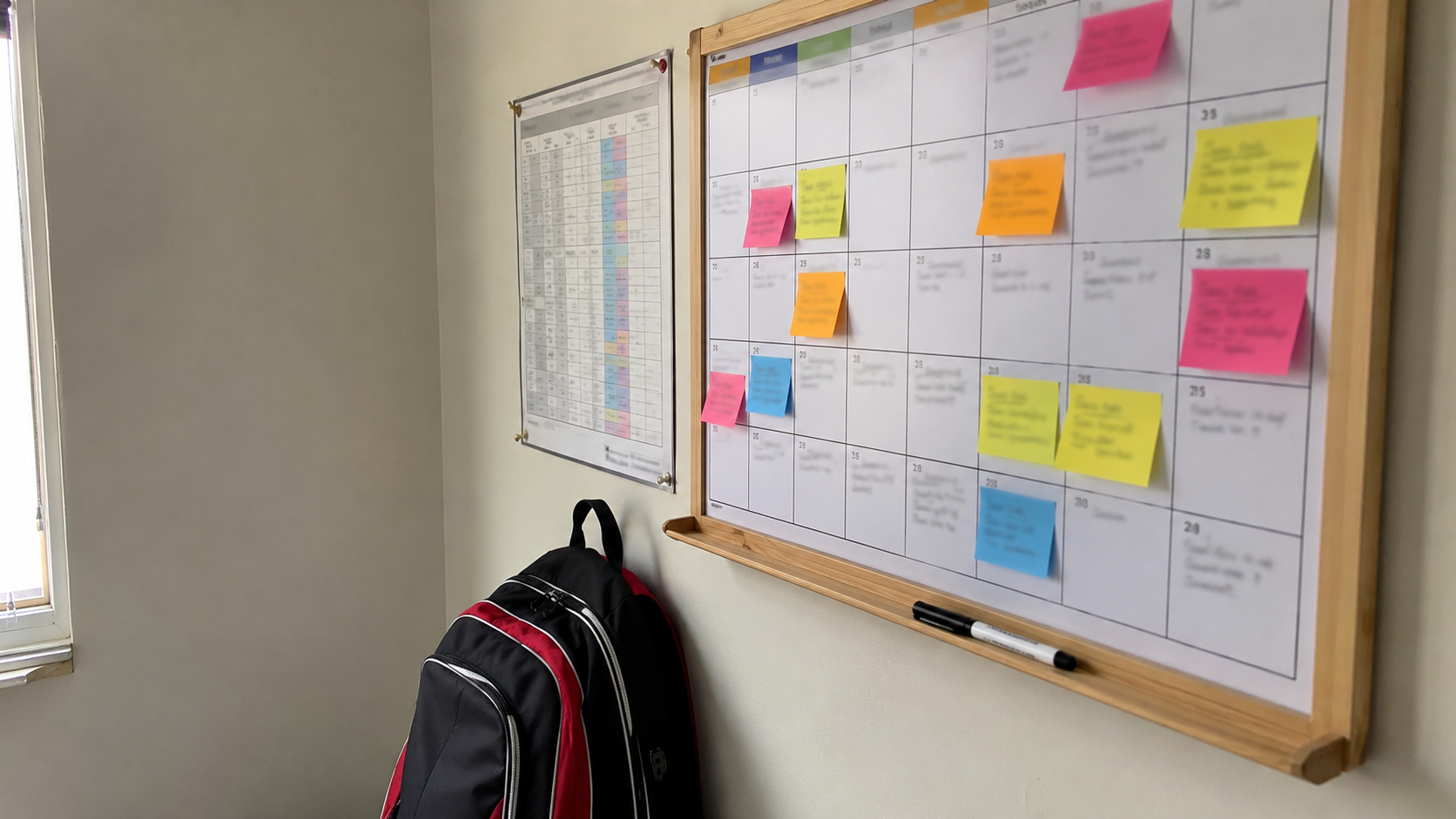
We build the academic plan around the athlete’s reality. Are there travel tournaments in March? Then test prep should begin in December. Is the state championship in May? Then your last test attempt should be in April.
Step 4: Test Prep Coaching That Works With, Not Against, Athletics
We offer test prep in a way that respects training fatigue. Micro-sessions. Performance mindset techniques. Mock tests are scheduled intelligently, not just “whenever there’s time.”
Step 5: College Target List and Application Strategy
We develop a school list based on academics, athletics, and cultural fit. We help families understand what each college is really looking for, and how to make their students stand out.
Step 6: Ongoing Coaching and Support
College prep is a marathon. Our coaching doesn’t stop after one call. We work with you through junior and senior years, adjusting the roadmap when life changes, as it always does.
Make Your Move !
This isn’t just another phase of high school. This is the moment that can define your next 10 years.
So ask yourself, are you really ready to gamble your future on guesswork? Parents, students, this is your crossroads.
Download our Student-Athlete College Prep Cheat Sheet and finally answer, “What’s next?” This isn’t another to-do list. It’s a battle-tested guide to prioritize tests, balance training, and build a profile that impresses coaches and admissions officers.
Eric’s story shows it’s possible. But you don’t need 2,000 hours, you need the right hours.
Download the Cheat Sheet Now!
Still hesitating? Ask yourself: Can I afford another year of chaos? We’ve guided athletes to Columbia, Brown, NYU, and UC Berkeley, to name a few. Let’s add your dream school to the list.
