
Rising Above the Rest: Your Guide to Tournament Preparation Success
Nobody warns you that when your young golfer starts competing, your role as a parent changes big time. You’ll find yourself carrying clubs, offering advice, whether you know much about golf or not, being their emotional support, handling all the expenses, and driving them to tournaments at crazy hours.
Plus, you’ll learn golf rules inside and out, pack enough food for a week, and become really good at putting on a brave face because every young golfer who’s doing well has someone behind them who believed in them from the very beginning.
Realistically, just having talent isn’t enough now. Your child needs a proper plan to succeed. There’s a lot more to junior golf than just how well they play. If you don’t help them get ready, they could fall behind, no matter how talented they might be.
So, what’s the move you need to make? It’s time to get organized and really start planning. Stop relying on a chance for things to work out. In this blog, we’re going to explain the actual difficulties clearly and show you how to get a head start.
Facing Challenges in Junior Golf Builds Amazing Toughness
The important thing to know is that junior golf is not just limited to playing the sport. While your child must be a good player, they also need to be very organized in other aspects.
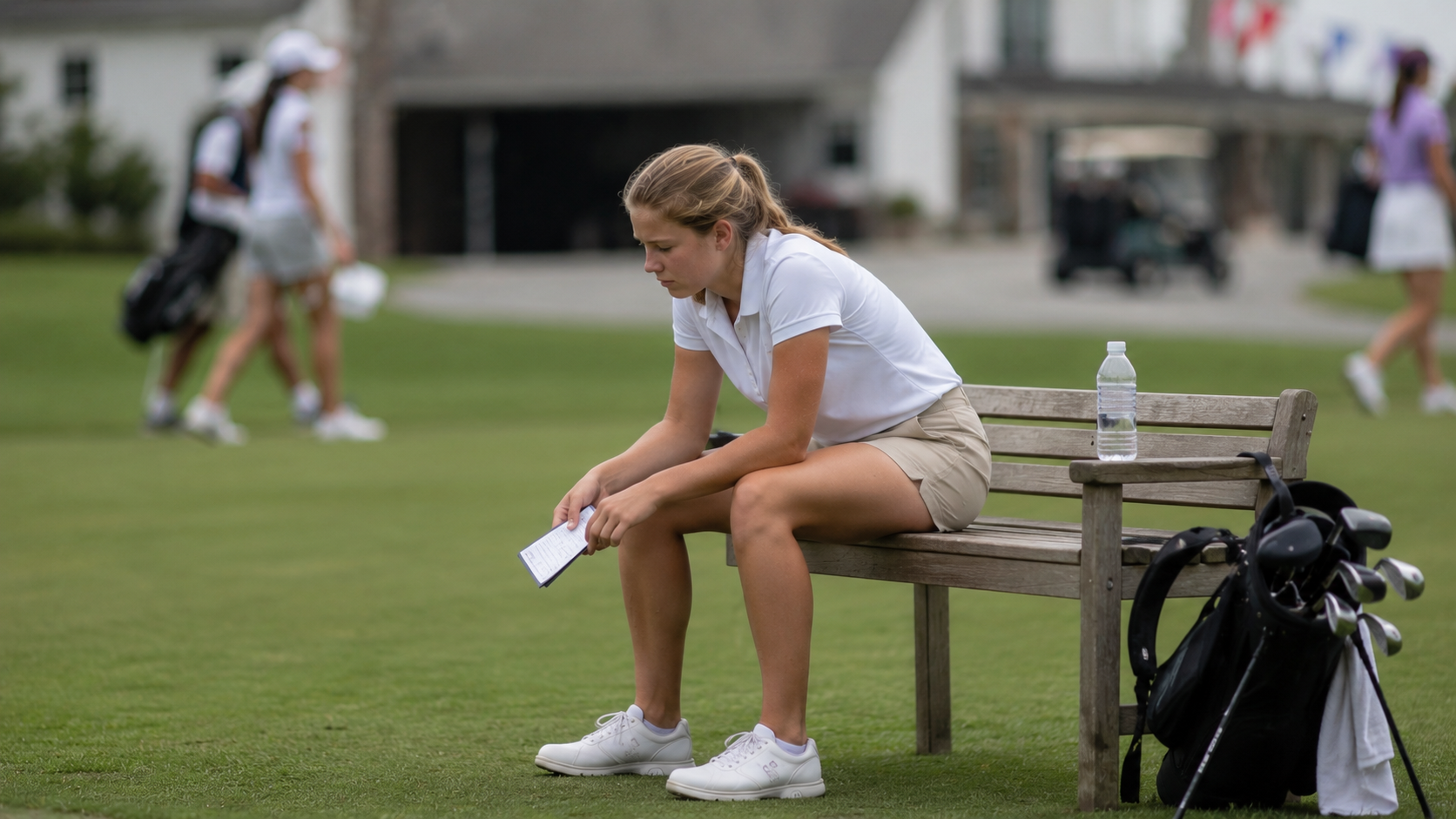
Remember the saying, “A place for everything, and everything in its place.” This holds true for managing a junior golf career too.
Do you think junior golfers are struggling because they don’t have the talent? Think again. The real problem is the logistics, scheduling tournaments, booking travel, preparing for the event. This is where a lot of talented junior golfers fall short.
What comes to mind when you think of this: missing the final date to register for a competition? Or did you not get enough practice time because the travel arrangements were made at the eleventh hour? This is a more common problem than you might imagine. It doesn’t matter how skillful your golfer is if they can’t take care of the small details related to the tournament. Good planning is everything.
Let’s look at a quick example: A junior golfer is playing really well in a tournament, but they haven’t checked the course rules about specific equipment. If they then get penalized for using something they shouldn’t have, all their good play up to that point can be undone due to a lack of planning and attention to detail.
Real Struggles: Sherri and Angie’s Story
We’re not here to give you a highlight reel. We’re here to show you what really goes down before the big moments, when no one’s clapping, and it’s just you, your goals, and someone like Coach TJ making sure you’re ready to show up and show out.
What Is the Kerry Cup?
It’s not a basic golf camp. It’s held at Waterville Golf Links, right on the Ring of Kerry in Ireland. Yes, it’s as epic as it sounds.
But here’s what makes it special:
Fourteen of the top college coaches show up.Ivy League and elite liberal arts schools attend, such as Williams, Amherst, and Swarthmore.
Juniors from around the world compete. It’s where players get scouted, noticed, and recruited.
Coach TJ has been there five times, each trip bringing a hand-picked squad of five to ten junior golfers ready to get seen. But getting “seen” only works if you’re actually ready.
Let’s talk about how two girls, Sherri and Angie, went from junior golfers to landing spots at their dream schools, and how the magic didn’t happen on the course, it happened in the prep.
Meet Sherri: Tiny, Fast, Underestimated
Let’s start with Sherri. Sherri was a bit smaller than most of the other golfers she competed with, but that’s not the whole story, her game was on fire. A notable stat of hers? Her clubhead speed was 88 mph, which is pretty impressive for someone her size.
Still, the important detail to note is Sherri faced a serious mental block. Because she was smaller, people often underestimated her. It’s something a lot of players can relate to, right? The general thought is that bigger is stronger, but golf is a game where that rule doesn’t always apply.
What really matters is that Sherri didn’t give up easily. Right away, Coach TJ saw what she could do. She advised her to narrow her attention to what she could actually do: her talent in the sport and her mental toughness. Instead of getting hung up on other people’s opinions, Sherri just kept her head down and kept working.
She dedicated herself to improving her golf and stayed super focused. Here’s what happened: she achieved her goal of getting into UC Irvine.
The point we are trying to make is this: have faith in yourself, no matter what anyone else tells you.
Sherri’s size was irrelevant; it was her mindset and how much she poured into her goals that made all the difference. If you ever find yourself thinking you’re not “big enough” or “fast enough” to compete with the best, remember Sherri. It’s all about finding your own strengths and using them to your benefit.
Meet Angie: Multi-Passionate, All Over the Place
Now, Angie’s story was a bit different. She was one of those people who had their fingers in a lot of pies, you know, art, music, drama, swimming, and then there was golf too. She genuinely enjoyed all of it, and you might think that’s wonderful.
But the reality was golf wasn’t getting the priority it needed. Because she was trying to balance so many different activities, she wasn’t able to focus enough to play her best when it came to golf competitions.
Does this sound familiar? Many junior golfers face the same challenge. It’s like we’re all being pulled in different directions by school, our sports, and everything else we’re passionate about. For Angie, it was a journey of finding that sweet spot and prioritizing what truly mattered at different times.
Coach TJ played a big role in showing Angie that while it’s fantastic to have many loves, when it’s golf tournament season, it’s time to really dial in and concentrate on golf.
With a bit of support, Angie learned how to juggle her love for golf with everything else she enjoyed. She started being really on top of her schedule, made a good routine, and made sure she was putting in the work for golf. And the awesome result? That focus helped her get noticed by the coaches at NYU, and she ended up getting a place there, all thanks to her game!
What’s the big message? It’s about getting your priorities straight and focusing your efforts. You don’t have to stop doing everything else, but you do need to be aware of when you need to really dial in on what’s the top priority right now.
What This Shows Us: The Real Power of Focus and Planning
What’s the takeaway from Sherri and Angie’s stories? Here’s what you should keep in mind:
Don’t let anyone else set boundaries for you: Sherri’s story proves that your physical size isn’t what determines how well you do in golf. It’s all about your approach to the game and the amount of dedication you have.
Decide what to concentrate on: You might be like Angie and have lots of passions. But sometimes, you need to choose where you spend your time and energy. Golf really needs your best, so if you’re serious about competitions, you’ve got to focus and prepare well.
Listen to your coach, it really matters: Coach TJ was there for every bit of it, helping both players with their heads and how they approached the game. A coach who has confidence in you is a huge advantage.
You’ve got to make sure you’re set up right: This means getting your mind right, your body in shape, and having all the details sorted. If you do this, you’ll have a real advantage. Sherri and Angie needed to plan their time, prepare for the course they were playing on, and get mentally ready. When you’re prepared, you can face any challenge without hesitation.
The Payoff is Real:
Sherri’s thriving at UC Irvine
Angie’s thriving at NYU
And none of it was luck. It was preparation, belief, and someone like Coach TJ, who knew how to bring the best out of them before the tournament even started.
Finding Joy: Making Time for Life and Golf Each Day
Young golfers usually have a lot on their plate besides golf. They need to keep up with school, practice, tournaments, and travel. If they don’t have a strategy, things will likely be disorganized.

Here’s what we mean:
The Triple Threat: School, Practice, and Tournaments
You’re facing a triple threat: schoolwork, practice time, and tournament schedules. It can feel like a race against time! If you don’t stay organized, one of those important things might get left behind. Let’s tackle this challenge together and make sure you’ve got everything covered.
Travel Adventures: Don’t Leave It to the Last Minute
Have you ever tried booking travel at the last minute? It can be a real problem. You’ll face higher costs, fewer options, and more stress. So make your travel plans early! It’ll save you stress and give you more time to prepare for your tournament adventure.
Practice and Course Familiarization
If your child doesn’t know the course well before the tournament, they’ll be at a disadvantage. Practice rounds are important. They need to know what to expect when they get there. If your child doesn’t plan these things, they’re already at a disadvantage before the tournament even starts.
Why Bad Planning Will Hurt Your Child’s Chances
You need to hear this: if you don’t plan right, it can wreck your tournament day!
Junior golf tournaments are about more than just having a great swing; they’re about being ready, both in your head and in your logistics. Planning is essential for tournament success.

Here’s what happens when you don’t plan:
Missed Registration: If you miss the deadline for a tournament, your child doesn’t get to play. Simple as that.
Rushed Travel Plans: Trying to book travel last minute? It means higher costs, fewer options, and more stress. You want to be prepared early, so your child can focus on playing, not worrying about how they’ll get there.
Avoiding the Burnout Trap: If you’re not ready mentally and physically, burnout can creep up unexpectedly. That pressure can be overwhelming. Make sure to carve out time to rest, practice, and prepare your mind. Rest and mental preparation are essential to playing great golf. To succeed, you need to plan. There’s no other way around it.
Mental Preparation: Why It’s Just as Important
We’ve talked about the physical side of golf, but the mental side is just as important. You can have the best swing, but if your child doesn’t know how to stay calm under pressure, it won’t matter.

Here’s what mental preparation looks like:
Visualization: Your child needs to imagine the tournament. They need to see themselves hitting good shots and staying focused. This helps build confidence and control.
Goal Setting: Setting clear, achievable goals helps your child stay on track. Whether it’s improving their score or working on a specific part of their game, goals keep them motivated.
Positive Thinking: In golf, a single bad shot can mess with your child’s head. They need to be able to bounce back and stay positive no matter what happens.
Mental preparation will help your child stay calm and perform their best when it counts.
How to Plan for Junior Golf Tournaments
Now that we know what’s at stake, let’s talk about how to actually prepare:

Check Handicap and Eligibility: Before you sign up for that tournament, make sure you’ve got all your ducks in a row, check your eligibility and update your handicap. It’s a crucial step to ensure you have a smooth and surprise-free tournament experience.
Book Travel Early: Want to make sure your trip goes off without a hitch? Then don’t leave your travel plans until the last minute. Booking your flights and hotels early means you’ll find the best places and save money. Let’s get those plans in motion.
Practice Rounds: Make it a point to schedule at least one practice round before the tournament. Your child needs to know the course well. This is critical for achieving the best results on tournament day.
Train Their Mind: Help your child mentally rehearse their game, set achievable targets, and nurture a positive attitude. This will make them feel fully prepared to face any obstacle.
Frequently Asked Questions
Question 1: How do I pick good tournaments?
Choose tournaments where your kid will do well but also learn to get better. Make sure the tournaments have other players at a similar level, which can help their ranking. It’s also a good idea to check if the tournament is well-organized and fair.
Question 2: What’s the best way to plan my spending for golf competitions?
Make a list of everything you’ll need to pay for, like signing up, getting there, where you’ll stay, what you’ll eat, your gear, and any lessons. Thinking about this early helps avoid stress from money later on.
Question 3: When should I start planning?
It’s a good idea to start planning around three to six months before the date. This gives you breathing room to sort out travel plans, get signed up for events, and make sure you’re feeling prepared both in your mind and body.
The Bottom Line
Every golf parent knows that moment. You're standing on the sideline watching your child play, and you just know they have what it takes.
But knowing isn't enough. Sherri's parents knew. Angie's parents knew. What made the difference was that they actually did something about it.

They got organized. They planned ahead. They made sure their kids walked into every tournament ready to perform, not just ready to play.
That's the part most families skip. And honestly? It's the part that matters most. So take a breath, sit down, and start mapping things out.
Schedule the practice rounds. Talk to your child about what to expect. These small steps are what turn a talented junior golfer into a recruited one.
To help you get started, we created a simple one-page cheat sheet that walks you through building a tournament schedule and budget that actually works for your family.
